
Winter Is Coming: 5 Things to Check Now for a Warmer, Drier, Healthier NZ Home

As the first cooler mornings of autumn arrive, many New Zealand homeowners start noticing the early signs of how their home will perform in winter. Condensation begins to show on windows, some rooms cool down faster at night, and damp or musty areas become more noticeable. These are often early indicators that your home may struggle with warmth, moisture control, and overall comfort once winter properly sets in.

If you want a warmer, drier, healthier home this winter, the most important things to check now are condensation, mould, ventilation, draughts, and window performance. Some fixes are simple and low-cost. Others, like upgrading old single glazing, can make a more significant long-term difference to comfort and efficiency.
1. Check for condensation early
Condensation is often one of the first signs that a home may struggle in colder months. It happens when warm, moist indoor air hits a cold surface, which is why older single-glazed windows are so often affected. While it may look minor at first, recurring condensation can point to a bigger issue around indoor moisture, poor ventilation, and cold internal glass surfaces.

What you can do now:
Wipe moisture off windows in the morning
Open windows for a short period during the day
Keep curtains from sitting tightly against wet glass
Notice which rooms get condensation first, as these often reveal the weakest-performing parts of the home
2. Watch for mould and lingering moisture
Mould often starts showing up before winter reaches its coldest point. Early signs can appear around window frames, curtains, wardrobes, corners, bathrooms, and other cooler or less ventilated areas. In New Zealand, this is a widespread issue: Stats NZ reported that in 2023, 14.0% of occupied private dwellings always or sometimes had mould larger than an A4 sheet of paper, which is roughly one in seven homes.
High moisture and mould are not just unpleasant. New Zealand government guidance notes they are associated with health problems including asthma, eczema, fatigue and headaches.

What you can do now:
Check behind furniture and curtains for early mould spots
Clean small mould patches safely before they spread with white vinegar to kill the spores. General household cleaning products with remove the appears on mould but will not kill the mould spores, meaning it is likely to come back.
Avoid drying washing indoors without ventilation
Pay attention to musty smells, especially in bedrooms, wardrobes, and bathrooms
3. Make sure your home is ventilating properly
A warmer home still needs to breathe. Cooking, showering, drying clothes, and even sleeping all add moisture to indoor air. Without effective ventilation, that moisture builds up and increases the risk of condensation, dampness, and mould. BRANZ reports that around 49% of bathrooms and kitchens in its House Condition Survey did not have mechanical extract ventilation venting to the outside.
Ventilation works best as part of a wider home-performance approach. BRANZ and MBIE guidance both emphasise that moisture control is strongest when ventilation, heating, and insulation work together.

What you can do now:
Use extractor fans when showering and cooking
Leave fans running a little longer after steam and moisture are created
Open windows briefly after showers or cooking where possible
Check whether your bathroom and kitchen fans are actually venting outside
Avoid blocking vents or airflow pathways
Open all windows in your home at lease once a week, so air can flow throughout the whole home. The more the better if possible.
4. Notice where your home loses warmth and comfort fastest
As autumn evenings get cooler, it becomes easier to spot the parts of the house that struggle most. Bedrooms, south-facing rooms, and large glazed areas often become uncomfortable sooner. You may notice cold spots near windows and doors, draughts around older joinery, or rooms that never seem to hold warmth for long. These are often signs that heat is escaping too easily through older glazing or air gaps. This is consistent with building guidance that highlights windows, insulation, heating, and ventilation as part of overall moisture and comfort performance in NZ homes.
What you can do now:
Walk through the house in the early morning or evening and notice which rooms cool down first
Check around windows and doors for noticeable draughts
Use thermal-lined curtains where possible
Make a note of the rooms that are hardest to heat, as these are often the best places to prioritise
5. Focus on the changes that will make the biggest difference
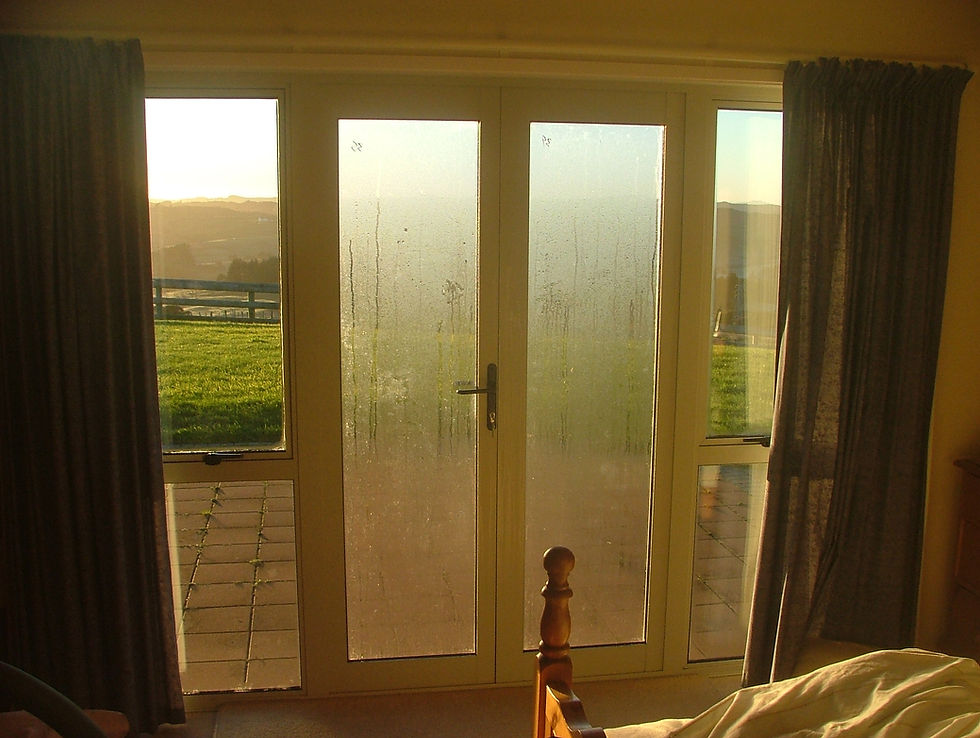
Not every comfort issue has the same cause, but windows are often one of the biggest contributors. High-performance double glazing can help reduce heat loss, lower condensation risk, improve comfort near windows, and support a drier-feeling indoor environment. Depending on the glass specification, it can also help with glare, solar control, and noise reduction. Guidance from MBIE and BRANZ consistently points to moisture control and thermal comfort working best when homes combine heating, ventilation, insulation, and better-performing building elements together.
At Elite Double Glazing, glazing is tailored throughout the home based on orientation, local conditions, and how each space is used. That might mean prioritising warmth retention in one room, solar control in another, or a different glazing specification in noisier or more exposed areas.
What you can do now:
Revisit any previous window or glazing quotes
Think about which rooms would make the biggest difference if improved first
Consider comfort more broadly, including condensation, draughts, mould risk, noise, and glare
Ask whether different parts of your home may need different glazing solutions
Quick winter prep checklist for NZ homes
Before winter arrives, it is worth doing a quick check around the house:
Are your windows already getting morning condensation?
Are there any mould spots starting to appear?
Are extractor fans working properly and venting outside?
Are some rooms much colder than others?
Do you notice draughts near windows or doors?
Did your home struggle with dampness or discomfort last winter?
If the answer is yes to several of these, your home may benefit from a broader winter-readiness plan that includes both moisture management and better thermal performance.
You do not need to wait until the middle of winter to know how your home is likely to perform. In many NZ homes, the early warning signs show up in autumn: condensation on glass, lingering moisture, underperforming ventilation, mould patches, cold rooms, and draughts around older windows and doors.
Some improvements are simple and can be done straight away. But if your windows are one of the underlying weak points, addressing them properly can make a meaningful long-term difference to comfort, dryness, and day-to-day livability.
If you have already received a quote from Elite Double Glazing and are still considering your options, now is a good time to revisit it before winter fully settles in.
Contact us today or Call Sean to pick up where you left off - 027 761 9525
FAQ
Why do NZ homes get condensation in autumn and winter?
Condensation forms when warm, moist indoor air meets a cold surface such as older single-glazed windows. It becomes more noticeable as outdoor temperatures drop and indoor moisture builds up from cooking, showering, drying clothes, and everyday living.
Does ventilation help prevent mould?
Yes. Ventilation helps remove moisture from the air, especially in kitchens and bathrooms where it is created most heavily. BRANZ and MBIE guidance both support ventilation as a key part of reducing condensation, dampness, and mould risk.
Will double glazing help make a home warmer and drier?
It can. High-performance double glazing helps reduce heat loss and cold internal glass surfaces, which can improve comfort and help reduce condensation risk. It works best alongside good ventilation, heating, and insulation.
Is mould common in New Zealand homes?
Yes. Stats NZ reported that in 2023, 14.0% of occupied private dwellings always or sometimes had mould larger than an A4 sheet of paper.
References
BRANZ. House Condition Survey: Ventilation and moisture control. BRANZ Research.
Ministry of Business, Innovation & Employment. Causes and effects of high moisture. Building Performance / Smarter Homes.
Stats NZ. 2023 Census population, dwelling and housing highlights.

